
A leaking water heater does not always mean a dying water heater. Plenty of leaks come from parts that are cheap and quick to replace: a relief valve that no longer seats, a plastic drain valve that has started to weep, a supply connector with a tired gasket, or a corroded fitting at the top of the tank. Some puddles are not leaks at all but condensation, especially on a newly filled tank or a gas unit starting up in muggy weather. The one leak that cannot be repaired is water seeping from the steel tank, usually through the bottom or a seam. For Independence, MO homeowners, the difference between those answers is why diagnosis comes first.
Finding the source is a process, not a glance. We clear and dry the area, then watch where new water appears. First we check the relief valve and the pipe it drains through, followed by the drain valve and the inlet and outlet fittings, where dielectric unions and flex connectors tend to corrode. If the heater is gas-fired, we look inside the burner compartment, since water there can be condensation or a sign the tank has given out. When the relief valve is involved, we measure water pressure and check for proper thermal expansion control. We recommend nothing until the source is confirmed.
Most leaks are handled the same day we find them. We replace worn relief valves, swap plastic drain valves for sturdier brass valves, rebuild corroded connections, add or recharge an expansion tank, and install a pressure-reducing valve when street pressure runs high. If the tank itself is leaking, there is no safe patch, and we will tell you that plainly along with your replacement options. We also help protect your home going forward: a drain pan piped to a proper drain, a water sensor or automatic shutoff valve, and a clear label on the shutoff. For water heater leak repair in Independence, call (816) 219-8132.
Our two most requested services are Water Heater Repair in Independence and Water Heater Replacement in Independence. That's the place to start for most homes.
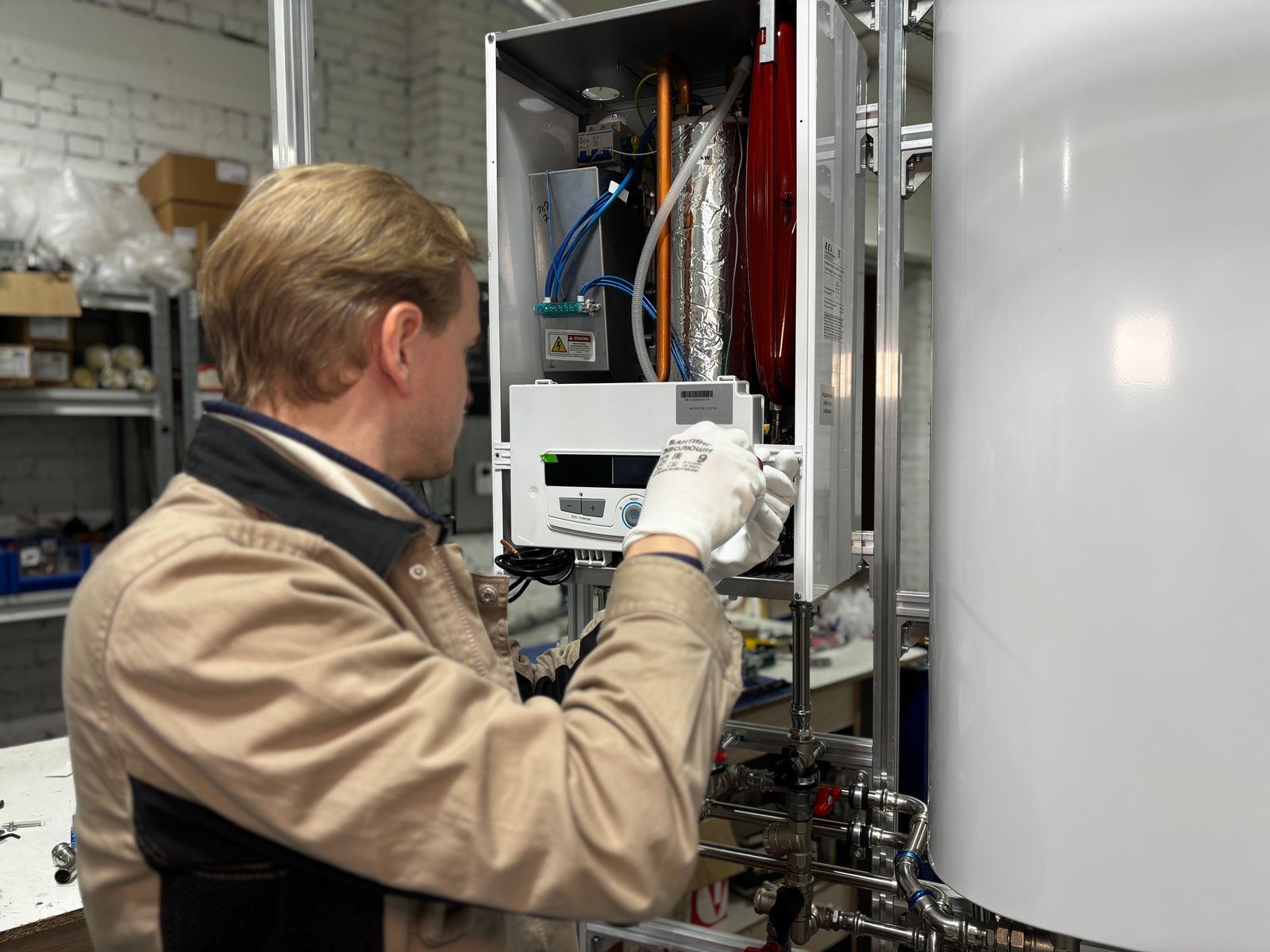
How to Tell Something Is Wrong
Recognizing the warning signs early can save you money and keep a slow drip from turning into a flooded utility room. These are the red flags our technicians see most often before a breakdown:
- A weeping drain spigot on the lower front of the heater
- A water bill that rises without any change in usage
- A puddle or damp spot on the floor around the base of the tank
- Water stains, soft flooring, or musty smells near the heater closet
- Mineral buildup or rust around the hot and cold connections
- Water dripping from the relief valve or out of the end of its discharge pipe
- Brown hot water along with moisture around the tank bottom
- Water inside the burner compartment of a gas heater
A Slow Leak Never Stays Slow
Left alone, even minor symptoms like rumbling or temperatures that swing from hot to warm tend to mean the heater is working its way toward a breakdown. A quick call to (816) 219-8132 gets a technician out to check it before it becomes an emergency.
Get Water Heater Leak Repair Handled Today
Call our team for pricing today.
Call (816) 219-8132 TodayWater Heater Leak Repair FAQ
Why Hire a Professional for Water Heater Leak Repair?
A leak looks like a simple job until you try to find it. Water can start at a top fitting, run down under the jacket, and show up at the base, and condensation on cold tanks add confusion. A wrong part is not the only risk. Plugging a dripping relief valve removes the protection against excess pressure and heat, forcing a corroded connection can crack it wide open, and electric heaters add 240-volt power to the mix. And if the tank itself is failing, no DIY fix will hold for long.
Calling a professional buys you certainty. You get the true source, the right parts, and an explanation of why it failed. When a relief valve drips, we test pressure and expansion. When a fitting is rotten, we replace the connection rather than tightening it harder. When condensation is the only issue, we explain it and save you a repair. And when the tank itself is leaking, we recommend replacement honestly, with a drain pan, drain line, and leak alarm to limit damage if it ever happens again.
Step by Step: How a Visit Works
We work through a clear, repeatable process so you always know what's happening and what it will cost. Here's what you can expect when you choose Independence Water Heater:
Isolate the Leak
First the water gets stopped. We confirm the supply valve is closed, the heater is off, and the area is dry enough to work safely.
Find Where It Starts
With the surfaces dried, fresh water shows us where the leak begins, whether that is a valve, a fitting, condensation, or the tank wall.
Test the Pressure
If a relief valve is involved, we measure static pressure and check for an expansion tank, since high pressure will ruin a new valve fast.
Fix and Confirm Dry
The faulty valve or fitting is replaced, the tank is refilled and bled of air, and we watch the connections under pressure before we leave.
Repair or Replace? Let's Figure It Out.
Tell us the age, fuel type, and symptoms, and we'll help you sort out the next step.
Call (816) 219-8132 TodayTips to Keep Your Water Heater Healthy
A few simple habits, like an annual flush and a quick look at the relief valve, can add years to a tank. Here are our recommendations:
- High street pressure is hard on water heaters, so a pressure test and regulator can prevent repeat drips
- Replace a depleted anode rod before the steel tank becomes the next target for corrosion
- A properly drained pan under the tank catches small leaks before they reach your floors
- Add a floor sensor or an automatic shutoff valve that closes the supply when it detects water
- Draining sediment every year helps the bottom of the tank last longer
- Ask about expansion control if your home has a check valve or backflow preventer
- Make a habit of checking around the heater for moisture or corrosion every few weeks
Doing It Yourself vs. Hiring a Technician
A few tasks, like checking the temperature setting or lifting the relief valve lever to test it, are fine for homeowners, but most water heater work involves gas lines, venting, 240-volt circuits, or a tank full of scalding water, and that belongs with a professional. Here's a comparison:
| Consideration | Doing It Yourself | Hiring a Pro |
|---|---|---|
| Finding the Source | Replace parts until the drip stops | Every valve and fitting checked in order |
| T&P Valve | Valve swapped without checking why | Pressure and expansion tested, valve replaced properly |
| Old Fittings | Tightened until the fitting cracks | Proper fittings installed and tested |
| False Alarms | Unneeded parts or a whole new heater | False leaks ruled out with testing |
| Protecting the Home | Damage prevention skipped | Shutoff labeled and leak alarms suggested |
| Result | Source unconfirmed | Confirmed dry repair or honest replacement advice |
Book a Visit Today
Every day a leak or a failing part goes unchecked puts more stress on the tank. Get Independence Water Heater on the job today.
Call (816) 219-8132 TodayAreas We Serve for Water Heater Leak Repair
Wherever you are in the area, the same experienced team shows up with the same parts and the same pricing. Find your community below.