
How do you know it is time to replace a water heater rather than repair it? Age is the first clue. A tank past eight to twelve years has done most of its work, and the serial number on the label tells us exactly how old yours is. The symptoms come next. A leak from the tank itself, rusty water from the hot side only, and loud sediment noise all point to a tank near the end. A thermocouple, an element, or a relief valve can be swapped on almost any heater; a rusted-out tank cannot, and plenty of households in Independence, MO tend to learn that the hard way, with a wet floor.
Choosing the replacement is where most of the value is. The old heater's size is only a starting point, since families grow, bathrooms get added, and a 40-gallon tank that was fine a decade ago may now run out every morning. We size tanks by first-hour rating and tankless units by gallons per minute at your winter temperature rise, and we explain what each option costs up front and month to month. The simplest, least expensive path is usually a like-for-like gas or electric tank. Tankless and heat pump models carry a higher price but can trim operating costs, and they come with their own requirements for gas line size, venting, electrical capacity, or room to breathe. You get the facts, then you decide.
The final stretch is where a careful installer and a rushed one part ways. Our technicians remove and haul away the old tank, install the new heater with new connectors and a proper shutoff, and leak-test every gas and water joint. The vent is sized and sloped to spec, the gas line gets its sediment trap, and the relief valve discharge runs to the right spot. Code items like expansion tanks, drain pans, and seismic straps are added where required, and the permit is handled when your jurisdiction needs one. A standard tank swap is usually done in a day. Call (816) 219-8132 for a firm quote on water heater replacement in Independence.
If a single part failed, start with Water Heater Repair in Independence and Water Heater Installation in Independence.
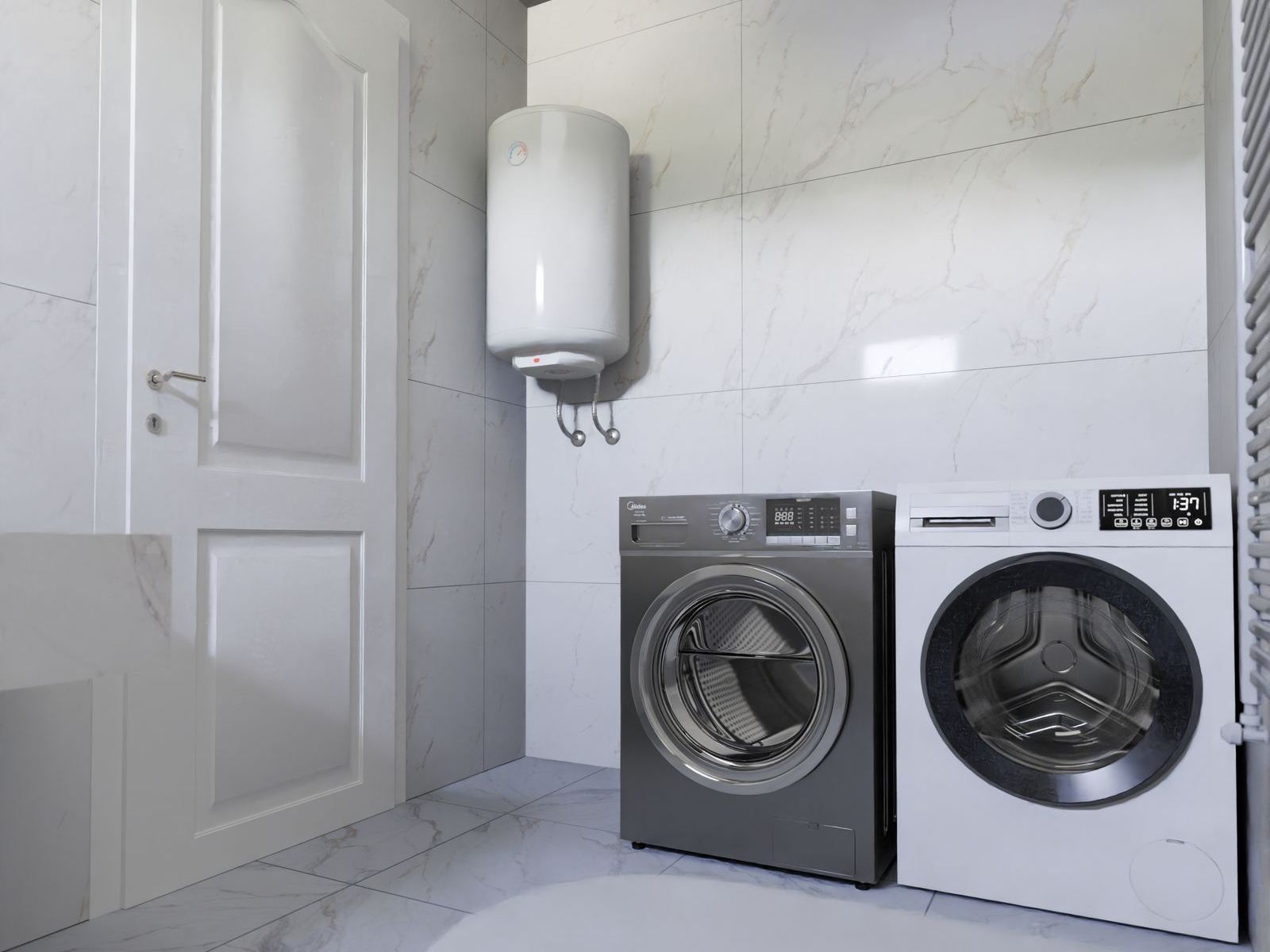
How Much Does Water Heater Replacement Cost in Independence?
For a standard tank, a typical Independence water heater replacement comes in between $1,100 and $2,800 installed. The type of heater you choose matters most, followed by any code or venting work your home needs. Every replacement starts with a site check and a clear, all-in price.
| Option | Typical cost | What it usually means |
|---|---|---|
| 40–50 gal gas tankThe most common swap; venting and gas connection included | $1,400–$2,800 | The most common swap; venting and gas connection included |
| 40–50 gal electric tankLowest installed cost for most homes | $1,100–$2,400 | Lowest installed cost for most homes |
| Tankless gasOften needs a larger gas line and new venting | $2,800–$5,500 | Often needs a larger gas line and new venting |
| Tankless electricWhole-house units may need an electrical service upgrade | $1,500–$3,500 | Heavy electrical load; panel capacity checked first |
| Heat pump / hybridBefore rebates; needs space, airflow, and a condensate drain | $2,800–$5,000 | Lower running cost; rebate amounts vary by utility |
| Expansion tank & code updatesExpansion tank, drain pan, straps, or permit where required | $150–$800 | Expansion tank, drain pan, straps, or permit where required |
Ranges are typical for these options; you get an exact quote before any work starts.
Factors That Change the Price
- The type and size of heater you choose, from a standard tank to tankless or heat pump
- Whether the gas line, venting, or electrical circuit needs upgrading for the new unit
- Code items your home needs, such as an expansion tank, drain pan, straps, or permit
- How hard the old heater is to remove and the new one to set in place
Not every problem needs a new heater, so when a repair makes more sense, we'll show you that price side by side. Questions about cost? Call (816) 219-8132.
Warning Signs to Watch For
Recognizing the warning signs early can save you money and keep a slow drip from turning into a flooded utility room. These are the red flags our technicians see most often before a breakdown:
- Sediment noise that keeps getting louder
- Water seeping out from under the tank jacket
- Hot water running out faster every month
- A heater older than most tanks last, usually eight to twelve years
- Rust-colored hot water while the cold stays clear
- Energy bills rising while hot water gets harder to come by
- Repairs that keep coming back, one part after another
- Rust flaking from the tank jacket or its connections
Early Action Saves Money
A worn-out anode rod, a sediment-choked tank, or a weak thermocouple rarely fixes itself, and the repair usually costs more the longer it waits. A quick call to (816) 219-8132 gets a technician out to check it before it becomes an emergency.
Water Heater Trouble? Call Us.
Our experienced technicians are standing by to help.
Get Help: (816) 219-8132Common Questions We Hear
What a Trained Technician Brings to the Job
Consider the vent first. Gas water heater exhaust carries carbon monoxide, so an undersized, badly sloped, or loose vent can spill it back into living space. Add a gas connection that has to be leak-free, an electrical circuit that has to match the new heater's load, and a relief valve that has to carry the right rating with a discharge line that is never capped or undersized, and there is a lot to get right. Local code may also call for an expansion tank, drain pan, or seismic straps, and some areas want a permit. Switching to tankless or a heat pump adds new gas line sizing, vent materials, circuits, and condensate lines to the list.
What you get from a pro is a replacement that is done once. The new heater is matched to your demand, the gas supply, venting, and panel are confirmed, and the permit is handled if your jurisdiction requires one. Relief valve piping is done right, applicable code items go in, leaks and draft are tested, and the old tank leaves with us. Rushed swaps tend to leave missing expansion tanks, bad vent pitch, and undersized gas lines behind. Ours are done to code and to last. And if a simple repair is the better call for your heater, we say so, without pressure.
What to Expect From Our Team
Good water heater work comes down to a consistent routine, and ours starts with a real diagnosis instead of a guess. Here's a look at each step our team takes:
Assessment & Sizing
Before any quote, we look at the age and condition of the old unit, the fuel and venting setup, and how much hot water your household really uses.
Clear Choices & Price
We explain your options, from a like-for-like tank to tankless or heat pump, and give a firm price that includes any code work before we start.
Out With the Old
Most swaps are finished in a day. We remove the old unit, set the new one, and handle the gas, water, venting, and electrical connections to code.
Testing Before We Leave
We fill and purge the tank, leak-test every joint, confirm draft and carbon monoxide on gas units, and set a safe water temperature before we leave.
Water Heater Care Tips From Our Technicians
A few preventive steps can help you avoid a cold shower or a wet floor down the road. Here's where to begin:
- Keep the temperature near 120 degrees for safety and slower mineral buildup
- Heat pump units need a clean filter and open airflow to run efficiently
- Make sure an expansion tank is in place if your home has a closed plumbing system
- A fresh anode rod at the right time is the cheapest way to extend tank life
- Flush the new tank once or twice a year to keep sediment from building up
- Plan ahead: knowing the heater's age lets you replace it on your schedule, not after a leak
- Descale a tankless unit every year, or more often with hard water
Should You DIY or Call a Pro?
The line between a safe DIY check and a risky repair is usually the moment you need to open a gas fitting, a vent connection, or an electrical cover. Here's how the two approaches stack up:
| Factor | DIY Attempt | Hiring a Pro |
|---|---|---|
| Sizing | Same gallons as the old tank | Sized by first-hour rating or GPM |
| Gas & Venting | Reused vent with the wrong pitch or size | Leak-tested gas, verified draft |
| Code Items | Missing straps, pan, or expansion tank | Required code items installed |
| Relief Valve | Discharge pipe undersized or capped | New valve piped to a safe point |
| Removal & Disposal | A full tank to drain and dispose of | Removal and disposal included |
| Result | A swap that may fail inspection | Leak-free, vented right, and tested |
Talk to Our Water Heater Replacement Team
Cold showers and damp floors don't get better on their own. Independence Water Heater can have a technician headed your way soon.
Call (816) 219-8132 TodayCommunities We Cover
Our technicians handle water heater replacement throughout Independence and the surrounding communities, with the same upfront pricing everywhere we work.